Info Point
B
O
R
G
O
D
I
C
E
S
I
Loading

- info@cesiportadellumbria.it
- Cesi, 05100 Terni (TR), Umbria, Italia
For thousands of years, the Apennines were shaped by transhumance.
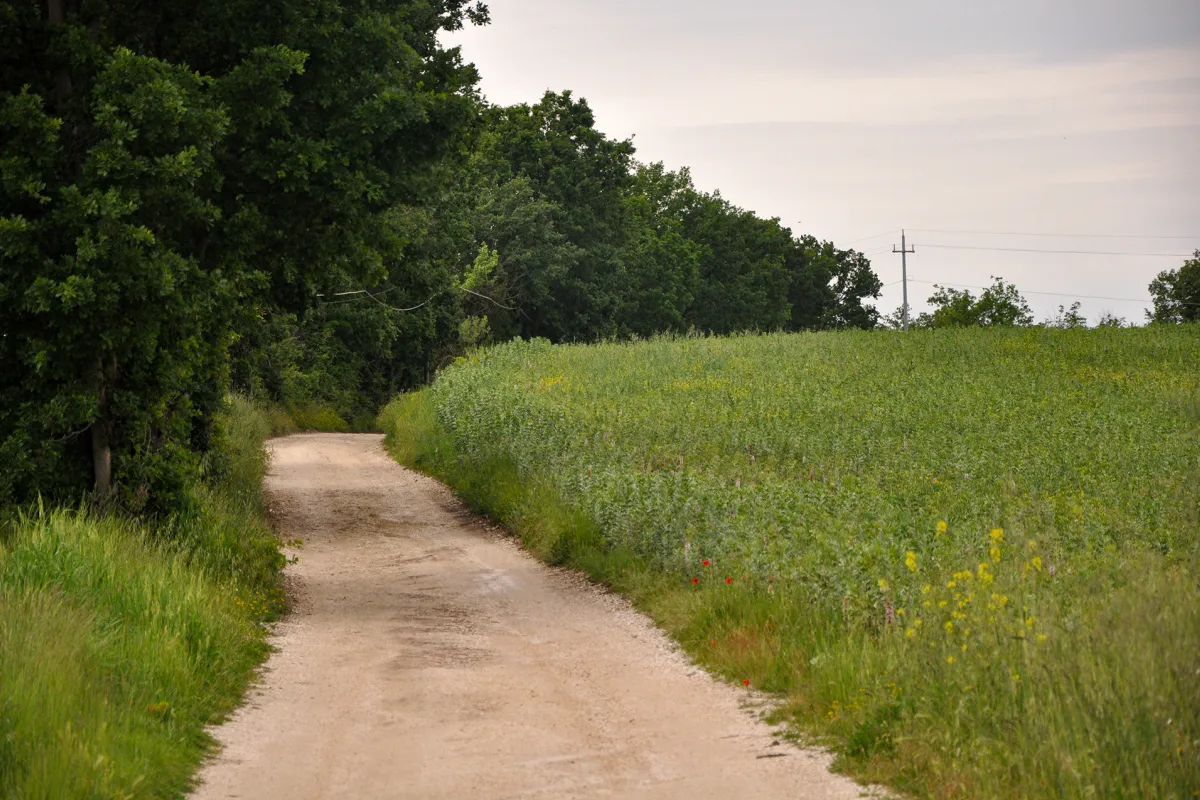
There were the great tratturi, especially in Abruzzo and Molise, along which millions of sheep moved every year to and from Apulia. There were also smaller routes, nonetheless essential for moving flocks. The Via Romana, also known as the “Sheep Road,” crossed the Martani Mountains and allowed shepherds from the Maremma and the Roman countryside to reach the pastures of the Valnerina valley.
This itinerary, starting from Acquasparta, retraces a particularly interesting stretch of the Sheep Road below the village of Macerino, where it is still possible to see some hydraulic weirs that once retained water used to water passing flocks.
The route begins with a paved section along the Tiberina road; it then turns toward Cesi on the provincial road and shortly afterward follows a secondary road climbing to the charming village of Portaria. From here, partly along roads and partly on trails, the route reaches the pass of Cima Forca. A path then descends toward the Maroggia stream, leading to a Roman bridge once used by shepherds to cross the stream below the settlement of Macerino.
From Macerino, after visiting its historic buildings and its pink-stone church, you can return to Cima Forca via a dirt road and then continue right toward Canepine. From here, the trail descends quickly along the “Hundred Turns” path back to Acquasparta, passing the mountain church of San Michele.
How to get there
The proposed route starts in the town center of Acquasparta, which can be reached from both the north and the south via the SS 3 Bis (E45), exiting at Acquasparta. Parking is available in the town center, near the highway exit, or in the parking area behind the railway station. Acquasparta, one of Italy’s most beautiful villages, offers the perfect opportunity for a stop at the end of the walk, with a visit to its historic center, its beautiful main square, and Palazzo Cesi—the first seat of the Accademia dei Lincei, founded by Duke Federico Cesi and now a multimedia museum.